Best Kilimanjaro Hiking Routes for 2026–2027
The best Kilimanjaro hiking routes for 2026–2027 are Machame, Lemosho, Marangu, Rongai, and Umbwe, with each route designed for a different type of climber. Machame and Lemosho are strong all-round options for scenery and acclimatization, Marangu is the main hut-based route, Rongai offers a quieter northern approach, and Umbwe is the steepest and most demanding of the five. The best route for you depends on how many days you have, your fitness and trekking experience, whether you prefer camping or huts, and how much time you want for acclimatization.
Machame vs Lemosho vs Marangu vs Rongai vs Umbwe
Machame, Lemosho, Marangu, Rongai, and Umbwe differ in route length, terrain, crowd levels, accommodation and daily altitude profile. Machame is scenic and moderately challenging, Lemosho is longer and quieter at the start, Marangu offers hut accommodation, Rongai approaches from the north with generally lower traffic, and Umbwe climbs steeply from the south. Comparing these characteristics is more useful than choosing a route based on a single claim such as “easiest” or “highest success,” because each climber has different priorities and altitude tolerance.
Which Kilimanjaro Route Is Best for Beginners?
For beginners, the best Kilimanjaro hiking route is usually one that provides enough days for a gradual ascent and fits the climber’s comfort preferences. Lemosho and 7-day Machame are often chosen by first-time trekkers who want more acclimatization time, while Marangu appeals to travellers who prefer hut accommodation. Beginners should avoid choosing a route only because it is shorter or cheaper, since fewer days can mean less time to adapt to altitude.
Which Kilimanjaro Route Is Best for Scenery?
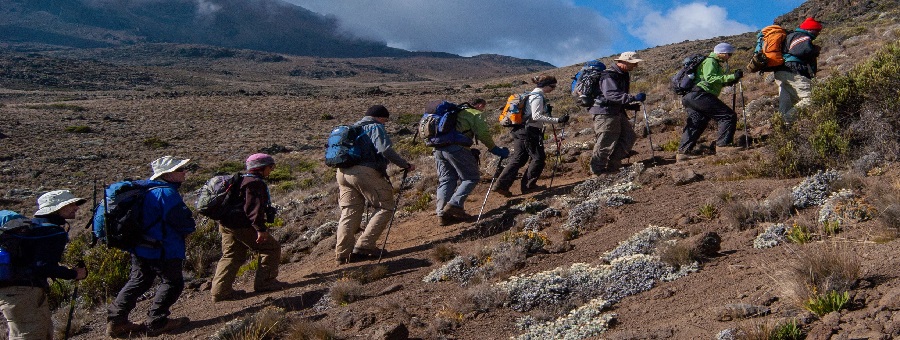
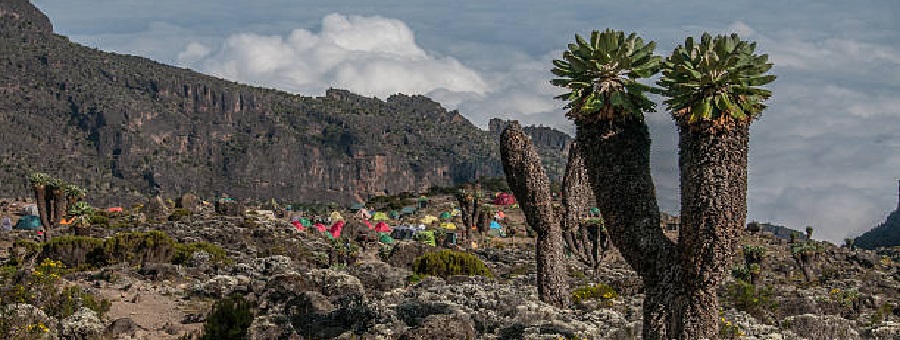
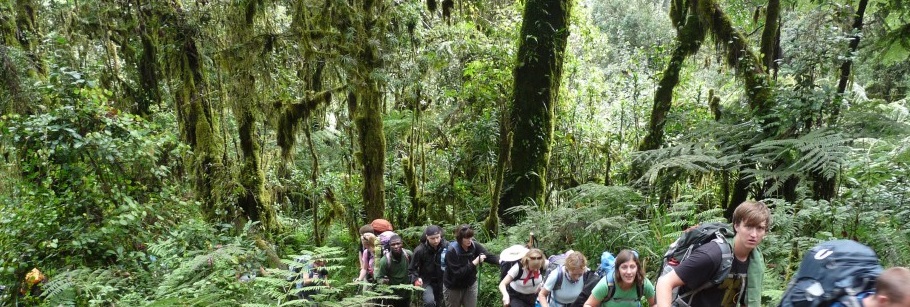
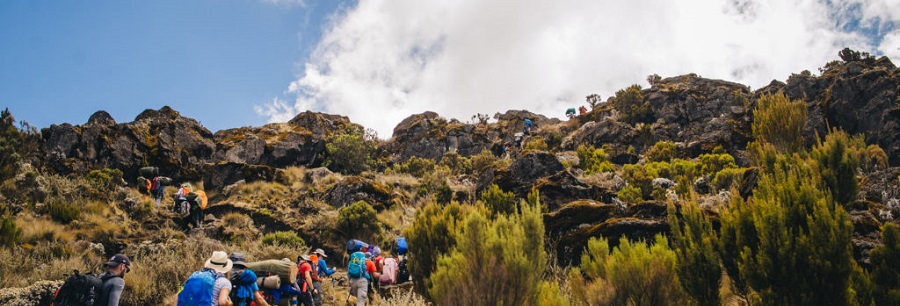
Machame and Lemosho are widely regarded as two of the most scenic Kilimanjaro hiking routes because they cross multiple ecosystems and provide varied mountain views. Lemosho begins on the western side and crosses the Shira Plateau, while Machame moves through rainforest, moorland, Lava Tower, Barranco Wall, Karanga and Barafu. Rongai offers a different northern perspective, Marangu follows an established eastern trail, and Umbwe delivers dramatic steep terrain for experienced climbers.
Which Kilimanjaro Route Has Hut Accommodation?
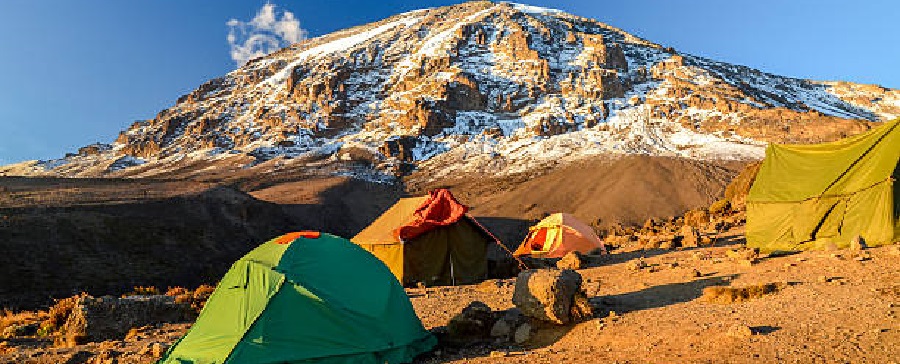
Marangu is the main Kilimanjaro hiking route with hut accommodation. Climbers stay in mountain huts such as Mandara, Horombo and Kibo rather than tents. Machame, Lemosho, Rongai and Umbwe are primarily camping routes and require tented accommodation. Travellers who strongly prefer sleeping indoors on the mountain may therefore find Marangu the most suitable route from an accommodation perspective.
How Many Days Do the Best Kilimanjaro Hiking Routes Take?
Machame is commonly completed in 6 or 7 days, Lemosho in 7 or 8 days, Marangu in 5 or 6 days, Rongai in 6 or 7 days, and Umbwe in around 6 or 7 days. Longer itineraries generally provide more time for acclimatization and a more gradual trekking pace. Your ideal number of days should be based on your chosen route, fitness, previous altitude experience and professional guidance rather than simply selecting the shortest itinerary.
Best Kilimanjaro Route for Acclimatization
Routes with more trekking days and gradual altitude gain generally provide more opportunity for acclimatization. Lemosho, 7-day Machame and longer northern approaches are often selected by climbers who want additional time before the summit attempt. Shorter itineraries provide less time for the body to adjust. No route guarantees summit success, so acclimatization, pacing, hydration, health, weather and guide decisions remain important on every Kilimanjaro climb.
Best Kilimanjaro Route for Experienced Climbers
Umbwe is commonly chosen by experienced trekkers looking for a steeper and more demanding Kilimanjaro hiking route. Its rapid early altitude gain makes it physically and physiologically more challenging than Machame, Lemosho, Marangu or Rongai. Experienced climbers may also choose shorter or more technical-feeling itineraries, but route selection should still prioritize safe altitude management and appropriate acclimatization.
Kilimanjaro Hiking Route Costs for 2026–2027
Kilimanjaro hiking route costs for 2026–2027 vary according to the route, number of trekking days, group size, park fees, camping or hut accommodation, staffing levels and whether the climb is private or group-based. Longer Lemosho and extended Machame itineraries usually cost more than shorter routes because they require additional mountain days, meals, crew support and park fees. Travellers should compare full inclusions such as guides, porters, meals, accommodation, park fees, transport and safety support rather than comparing only the lowest advertised price.
How to Choose the Best Kilimanjaro Hiking Route
To choose the best Kilimanjaro hiking route, compare the number of trekking days, accommodation type, terrain, crowd levels, scenery, difficulty and acclimatization schedule. First-time climbers often prefer Lemosho, Machame or Marangu depending on comfort and time, while experienced trekkers may consider Umbwe. Rongai is attractive for travellers who want a quieter northern approach. The right route is the one that best matches your physical preparation, available travel time, expectations and safety priorities.
FAQs About the Best Kilimanjaro Hiking Routes
Common questions about the best Kilimanjaro hiking routes include which route is easiest, which has the best scenery, which is least crowded, which offers huts, how many days are recommended and which route provides more time for acclimatization. There is no single route that is best for every climber. Machame, Lemosho, Marangu, Rongai and Umbwe each offer different advantages, so the best choice depends on your experience, fitness, preferred accommodation, travel dates and available trekking days.