Kilimanjaro Hiking Holidays in Spring 2026–2027
Kilimanjaro hiking holidays in spring focus on climbs scheduled during March, April and May, when Mount Kilimanjaro is generally greener and wetter than during the main dry-season periods. These months can bring quieter trails, fresh vegetation and a very different mountain atmosphere, but climbers should also prepare for rain, mud, cloud and rapidly changing conditions. Our spring 2026–2027 guide explains what each month is like, how the main routes differ, what to pack and how to choose an itinerary with an expert guide and verified reviews.
Spring is best for travellers who are comfortable with variable weather and want a quieter climbing experience. It should not be chosen only because it may be less busy or occasionally less expensive; route duration, waterproof equipment, acclimatization and mountain safety remain more important than season alone.
What Is Spring Like on Mount Kilimanjaro?
March, April and May usually bring wetter conditions to Kilimanjaro, particularly on the forested lower slopes. Rain can make paths muddy and slippery, while cloud may reduce long-distance views. Higher on the mountain, temperatures remain cold and summit night can still be freezing, so spring climbers need equipment for both moisture and cold.
The season can also produce greener scenery and fewer trekkers on some dates. This combination appeals to travellers who prefer quieter trails and are willing to accept less predictable weather.
Kilimanjaro Hiking in March 2026–2027
March is often a transition month. Early March may still contain relatively settled periods, while later March can become wetter depending on the year. Climbers should therefore prepare for sunshine, cloud and rain rather than expecting one consistent pattern.
March can suit travellers who want to avoid the busiest months while still having access to the main Kilimanjaro routes. Machame, Marangu, Lemosho, Rongai and Umbwe remain possible, but route duration and personal experience should guide the final choice.
Kilimanjaro Hiking in April 2026–2027
April is usually one of the wetter periods on Kilimanjaro. Forest trails can be muddy, camp areas can stay damp and visibility may change quickly. Waterproof boots, rain trousers, a reliable shell jacket and dry-bag protection for clothing become especially important.
April is most suitable for travellers who are comfortable hiking in rain and who value quieter trails more than consistently clear weather. Good preparation makes a bigger difference in April than chasing the shortest or cheapest route.
Kilimanjaro Hiking in May 2026–2027
May can still be wet, particularly earlier in the month, although conditions may begin changing as the season moves toward the drier period that follows. Climbers should still plan for rain and mud rather than treating May as a guaranteed dry-season month.
For flexible travellers, later May can be an interesting transition period with potentially quieter trails before busier months begin. Weather remains variable, so the departure date should be chosen for the itinerary you want rather than for a promise of clear skies.
Machame Route in Spring: 6 or 7 Days
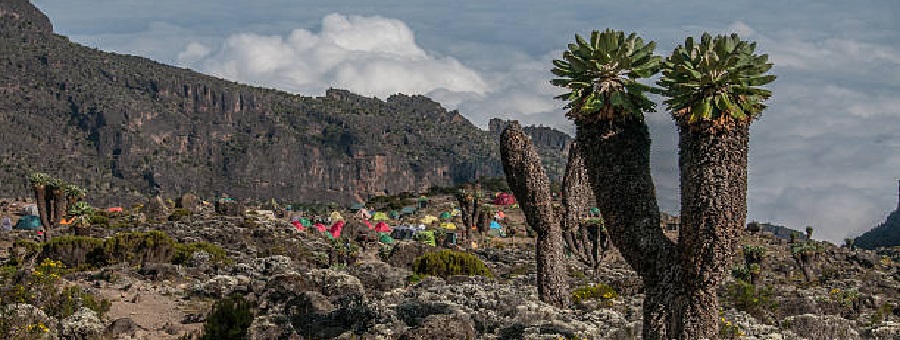
Machame is a camping route known for varied scenery and a southern approach to the summit circuit. Six- and seven-day versions are common, with the seven-day itinerary allowing more time on the mountain before the summit attempt.
In spring, the rainforest section can be especially wet, so waterproof boots, gaiters and pack protection are useful. Higher sections remain exposed and cold, meaning the same climber must be ready for both muddy lower trails and freezing summit conditions.
Marangu Route in Spring: 5 or 6 Days
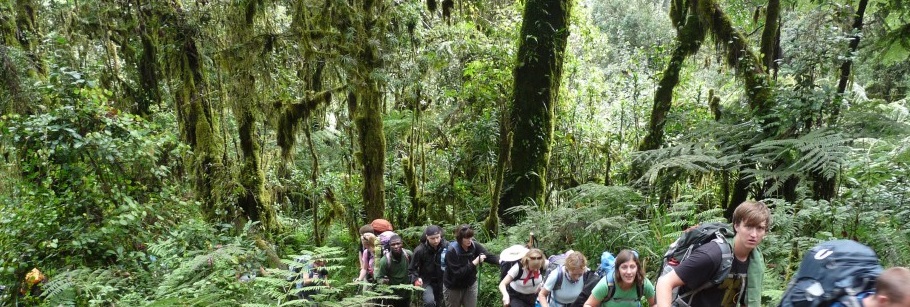
Marangu is the principal Kilimanjaro route with hut accommodation. Five- and six-day itineraries are commonly used, and the six-day option gives additional time compared with the shorter schedule.
Huts can make evenings more comfortable during wetter weather, but they do not remove the need for rain gear because climbers still spend most trekking hours outside. Marangu should therefore be chosen for its accommodation style and route profile rather than as a way to avoid spring conditions.
Lemosho Route in Spring: 7, 8 or 9 Days
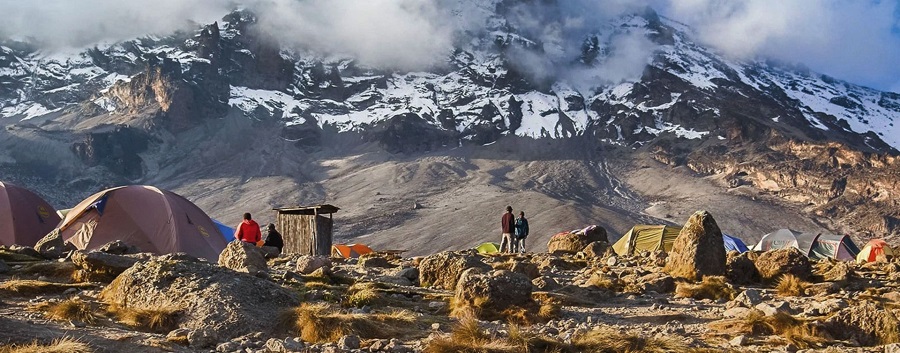
Lemosho begins on the western side and gives climbers a longer approach before joining the southern circuit. Seven-, eight- and longer itineraries provide more time for a gradual progression through Kilimanjaro's ecological zones.
During spring, the western forest can be wet and the Shira Plateau can alternate between cloud, wind and clearer periods. Lemosho is a strong choice for travellers who value a longer schedule and varied scenery more than guaranteed dry weather.
Rongai Route in Spring: 6 or 7 Days
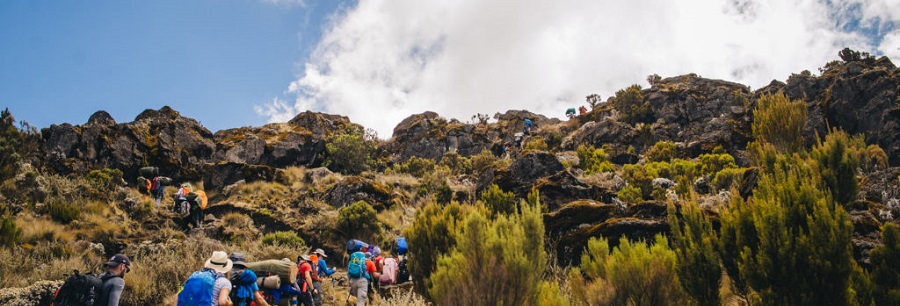
Rongai approaches from the northern side of Kilimanjaro and offers a different route experience from the southern trails. Six- and seven-day itineraries are common, with descent generally made via the Marangu side.
The northern side can experience different weather patterns, but spring climbers should not assume Rongai will always be dry. It is still necessary to carry full waterproof and cold-weather equipment.
Umbwe Route in Spring
Umbwe is one of Kilimanjaro's steeper routes and is better suited to experienced trekkers who understand rapid altitude gain. Wet spring conditions can add slippery terrain to an already demanding ascent.
For that reason, Umbwe should be selected for the challenge and route profile rather than simply because it may be quieter. First-time high-altitude trekkers are generally better served by a longer, more gradual itinerary.
Spring Weather and Trail Conditions
Spring conditions vary by altitude. Lower rainforest sections can be wet and muddy, moorland zones may combine showers with wind and cloud, and the alpine environment remains cold and exposed. Summit night demands full cold-weather preparation in every month.
Layering is essential. Climbers need waterproof outer layers, insulation, dry base layers and protected spare clothing so they can adapt as conditions change during the day.
What to Pack for a Spring Kilimanjaro Climb
March, April and May climbers should place extra emphasis on waterproof protection. Useful items include broken-in waterproof trekking boots, rain jacket, rain trousers, gaiters, pack cover and waterproof liners or dry bags for clothing and sleeping equipment.
Cold-weather gear remains equally important: insulated layers, warm gloves, hat, summit jacket, headlamp, trekking poles and personal medication are still required. Spring does not make the summit warm.
Spring Kilimanjaro Costs and Value
Spring departures may sometimes coincide with lower demand, but not every March, April or May climb is automatically cheaper. Park fees, route length, crew size, accommodation and transport continue to shape the total package price.
Compare what is included rather than choosing only the lowest advertised amount. Guides, porters, meals, park fees, accommodation, transfers and safety support are more important than a small difference in headline price.
Are Spring Trails Less Crowded?
Spring can be quieter than heavily travelled peak periods, especially during wetter weeks. Fewer climbers can mean calmer camps and a more private feeling on the trail, although exact crowd levels depend on route and departure date.
If avoiding crowds is a priority, combine the season with route selection rather than relying on the month alone.
Best Spring Route for First-Time Climbers
First-time high-altitude trekkers usually benefit from allowing more days rather than choosing the shortest itinerary. Seven-day Machame, longer Lemosho programs and six-day Marangu are common choices for travellers who want additional time on the mountain.
Spring weather adds another challenge, so beginners should choose a route they can handle comfortably in wet conditions and arrive with suitable footwear and rain protection.
Who Should Choose a Spring Kilimanjaro Holiday?
Spring suits travellers who accept changing weather, enjoy greener landscapes and prefer a potentially quieter trail experience. It can also work well for travellers whose schedule does not match the most popular dry-season periods.
Travellers who strongly prioritize dry trails and consistently clear mountain views may prefer another season. Spring is best chosen intentionally for its character, not only for price.
FAQs About Kilimanjaro Hiking Holidays in Spring
Can I climb in March? Yes. March is possible, but later dates can become wetter, so waterproof preparation matters.
Is April too wet? April is often one of the wetter periods, but climbs still operate for trekkers comfortable with rain and mud.
Is May suitable? Yes, although early May can remain wet. Later May may begin transitioning toward drier conditions.
Which route is best? There is no single best spring route. Choose according to duration, accommodation, difficulty and your experience.
Do I need special gear? Reliable waterproof boots, rainwear, gaiters and dry-bag protection are particularly useful in spring.