K2 vs Mount Kilimanjaro in Africa
K2 and Mount Kilimanjaro are not the same mountain. Mount Kilimanjaro is in Tanzania, East Africa, and rises to 5,895 metres (19,341 feet) at Uhuru Peak. K2 rises to 8,611 metres (28,251 feet) in the Karakoram on the Pakistan–China border. Kilimanjaro is primarily a high-altitude trekking climb on established routes, while K2 is an advanced technical mountaineering expedition requiring extensive climbing experience.
The difference is therefore much greater than height alone. Kilimanjaro is accessible to fit trekkers who prepare for altitude and several days of hiking, whereas K2 is an objective for highly experienced alpinists capable of climbing steep rock, snow and ice in an extreme high-altitude environment.
K2 vs Kilimanjaro: Quick Comparison
| Comparison | K2 | Mount Kilimanjaro |
|---|---|---|
| Elevation | 8,611 m / 28,251 ft | 5,895 m / 19,341 ft |
| Location | Karakoram, Pakistan–China border | Tanzania, East Africa |
| Global distinction | Second-highest mountain in the world | Highest mountain in Africa |
| Climbing style | Technical high-altitude mountaineering | High-altitude trekking on established routes |
| Technical skills | Advanced rock, snow and ice climbing | Standard routes normally do not require technical rock climbing |
| Typical duration | Multi-week expedition | Commonly 5–9+ trekking days depending on route |
| Main challenge | Extreme altitude, technical terrain, weather and objective hazards | Altitude, endurance, cold and long trekking days |
Where Are K2 and Mount Kilimanjaro Located?
K2 is located in the Karakoram mountain range on the Pakistan–China border. Mount Kilimanjaro is located in northern Tanzania in East Africa, close to the Kenya border. They are separated by thousands of kilometres and belong to entirely different mountain systems.
This geographical difference also changes the expedition style. Kilimanjaro is normally organized from Tanzania through gateways such as Moshi or Arusha, while K2 requires a remote expedition approach into the Karakoram before climbers reach the mountain itself.
K2 Height vs Mount Kilimanjaro Height
K2 stands at 8,611 metres (28,251 feet), making it the world's second-highest mountain. Mount Kilimanjaro reaches 5,895 metres (19,341 feet) and is the highest point in Africa.
The difference of more than 2,700 vertical metres matters because K2 extends into the extreme altitude of the world's 8,000-metre peaks. Kilimanjaro still presents serious altitude challenges, but it does not reach the same physiological environment as K2.
Is K2 Harder Than Kilimanjaro?
Yes. K2 is in a completely different category of difficulty. Climbers need extensive expedition experience, technical ability on rock, snow and ice, rope-system knowledge and the judgement required to move through exposed high-altitude terrain.
Kilimanjaro is physically demanding and altitude sickness is a serious concern, but its standard trekking routes are walked rather than climbed with advanced mountaineering techniques. That makes Kilimanjaro far more accessible to properly prepared hikers.
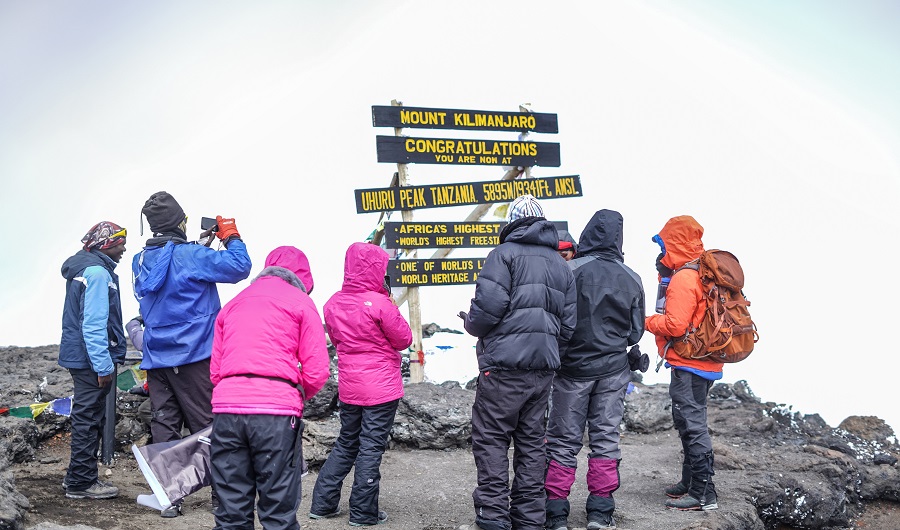
K2: Technical High-Altitude Mountaineering
K2 is a major expedition mountain. Reaching the summit involves steep terrain, exposed climbing, high camps and difficult decisions in a place where weather and altitude can change the situation quickly.
The challenge is not simply elevation. K2 combines extreme altitude with technical climbing, complex logistics and objective hazards, placing it well beyond ordinary trekking holidays.
Mount Kilimanjaro: High-Altitude Trekking in Tanzania
Kilimanjaro offers a very different path to a major summit. Climbers trek through rainforest, moorland, alpine desert and high-altitude terrain before attempting Uhuru Peak.
Standard Kilimanjaro routes normally do not require advanced climbing techniques, but the mountain is still demanding. The altitude, cold, long hiking days and summit-night effort require preparation, measured pacing and enough time for acclimatization.
K2 Mountaineering vs Kilimanjaro Trekking
The clearest difference is the type of climbing involved. K2 is technical mountaineering; Kilimanjaro is primarily trekking. Preparing for K2 means years of developing alpine skills, while preparing for Kilimanjaro focuses more on hiking endurance, altitude management, clothing, equipment and multi-day trekking fitness.
Completing Kilimanjaro does not automatically prepare someone for K2. Kilimanjaro may provide useful high-altitude experience, but K2 requires a much broader technical progression.
Kilimanjaro Routes Compared with a K2 Expedition
Kilimanjaro has several established routes, including Machame, Marangu, Lemosho, Rongai, Umbwe and Northern Circuit. They differ in duration, scenery, accommodation style and altitude profile.
A K2 expedition is not comparable to choosing a trekking route. It involves an approach trek, high camps, acclimatization rotations, technical climbing and waiting for a suitable summit opportunity.
How Long Does K2 Take Compared with Kilimanjaro?
Kilimanjaro is commonly climbed in about five to nine or more trekking days depending on the route. Travellers normally add arrival, preparation and recovery nights around the mountain itinerary.
K2 requires a multi-week expedition. The approach, camp establishment, acclimatization rotations, weather delays and summit strategy make the time commitment fundamentally different.
Altitude and Acclimatization: K2 vs Kilimanjaro
Both mountains require respect for altitude. Kilimanjaro takes trekkers to nearly 5,900 metres over several days, so longer routes are often selected to provide more time for gradual adjustment.
K2 rises far beyond Kilimanjaro into the 8,000-metre environment. Expedition climbers spend substantial time acclimatizing before a summit attempt, so altitude management is even more central to the entire expedition.
Who Should Climb Kilimanjaro and Who Should Consider K2?
Kilimanjaro is suitable for fit hikers, adventure travellers and first-time high-altitude trekkers who prepare properly and choose a realistic route. It attracts solo travellers, couples, families, groups of friends and experienced hikers who want to reach Africa's highest point without technical climbing.
K2 is suitable only for highly experienced mountaineers with a substantial background in technical climbing and high-altitude expeditions. Anyone comparing the two should think first about experience level, not simply summit height.
Can Kilimanjaro Be Preparation for K2?
Kilimanjaro can help a climber understand multi-day hiking, pacing and personal response to altitude, but it should be viewed as only one step in a much longer progression toward technical expedition mountaineering.
A climber with K2 as a long-term goal would still need significant additional experience on technical alpine terrain, snow, ice and progressively harder high-altitude objectives.
K2 vs Kilimanjaro: Which Mountain Is More Accessible?
Kilimanjaro is far more accessible to general adventure travellers because its standard routes are trekking itineraries supported by established mountain crews. Climbers still need fitness, proper gear and respect for altitude, but they do not need the advanced mountaineering résumé expected for K2.
K2 belongs to advanced expedition climbing. The gap between the two mountains is therefore not simply one of difficulty; it is a difference in the entire type of adventure.
K2 vs Kilimanjaro: Which Mountain Should You Choose?
For most adventure travellers, Kilimanjaro is the realistic choice because it offers a serious high-altitude summit within a trekking format. K2 should only be considered after extensive technical mountaineering development and high-altitude expedition experience.
If your goal is to stand on Africa's highest summit and experience a multi-day trek through several ecological zones, Kilimanjaro fits that objective. If your goal is advanced technical alpinism at extreme altitude, K2 belongs to a completely different category.
Plan Your Mount Kilimanjaro Climb in Tanzania
Book via WhatsApp +255 764 415 889 or email sales@africanaturaltours.com. We arrange guided Kilimanjaro climbs on Machame, Marangu, Lemosho, Rongai, Umbwe and Northern Circuit with route planning, airport transfers and tailor-made options.
If you are comparing Kilimanjaro with K2 because you want a major mountain challenge, our local team can help you select a Kilimanjaro route based on your available days, trekking experience, accommodation preference and altitude-planning needs.
FAQs About K2 vs Mount Kilimanjaro in Africa
Are K2 and Kilimanjaro the same mountain? No. K2 is in the Karakoram on the Pakistan–China border, while Kilimanjaro is in Tanzania, Africa.
Which mountain is higher? K2 is higher at 8,611 metres, while Kilimanjaro reaches 5,895 metres.
Which is harder? K2 is vastly more difficult because it combines extreme altitude with technical rock, snow and ice climbing.
Does Kilimanjaro require technical climbing? Standard Kilimanjaro trekking routes normally do not require advanced technical mountaineering skills.
Can a beginner climb K2? No. K2 is an objective for highly experienced expedition mountaineers. Kilimanjaro is the more realistic option for prepared trekkers.