What Is the Serengeti Wildebeest Migration Calving Season?
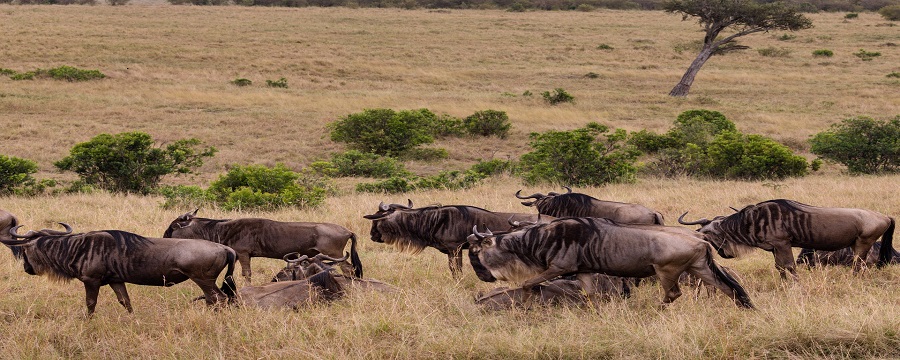
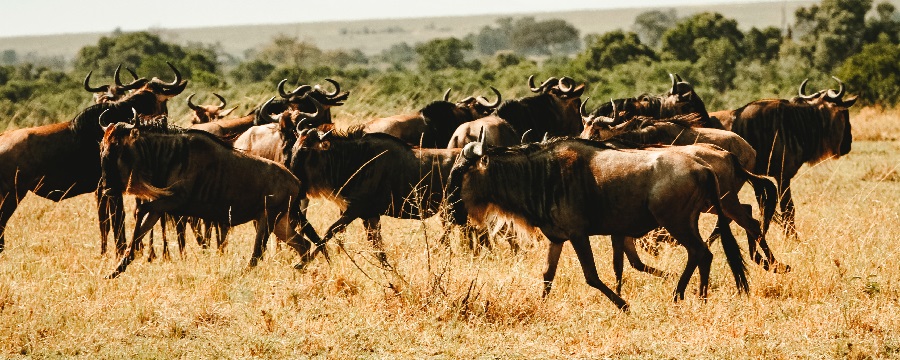
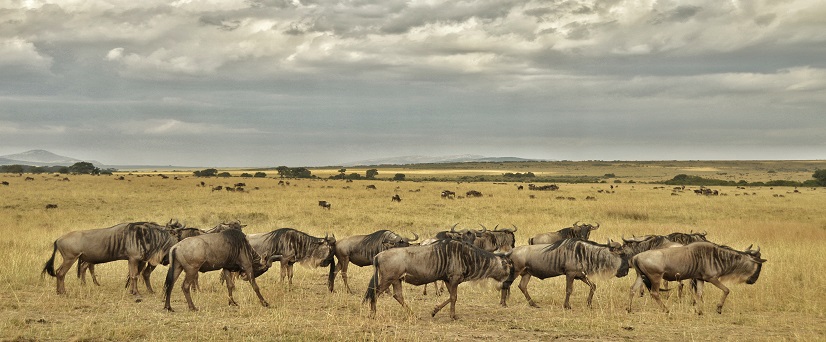
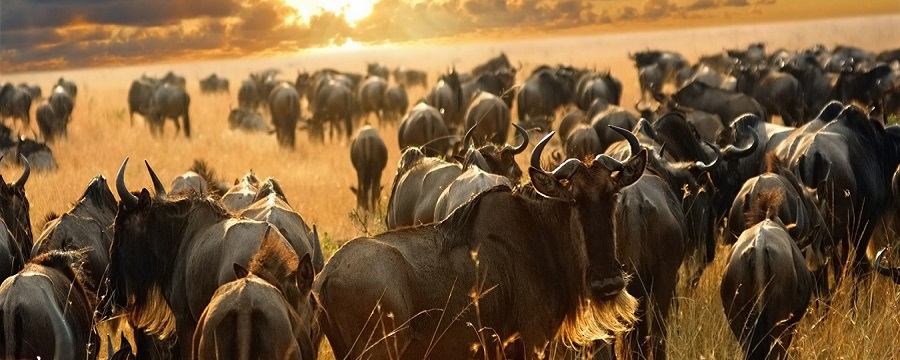
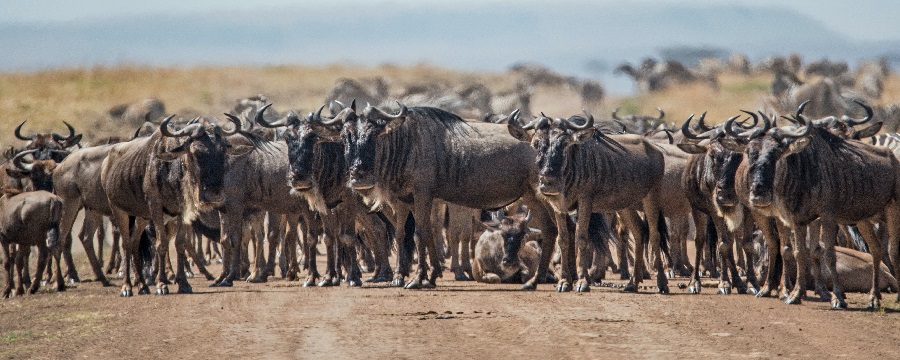
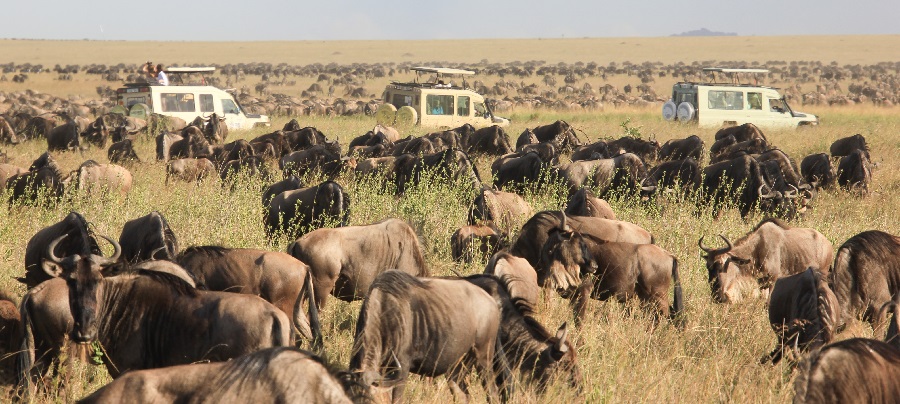
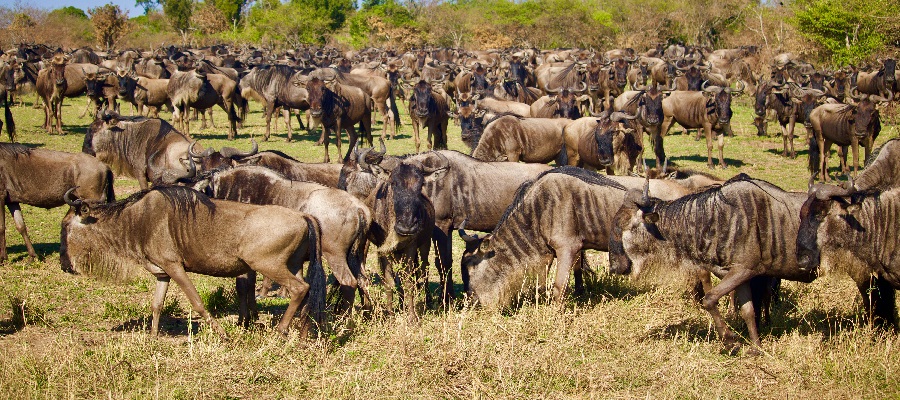
The Serengeti wildebeest migration calving season is one of the most remarkable stages of the Great Wildebeest Migration in Tanzania. At the beginning of the year, enormous herds of wildebeest gather across the short-grass plains of the Southern Serengeti and Ndutu, where fresh, nutrient-rich grazing provides ideal conditions for mothers and newborn calves. During this period, hundreds of thousands of calves are born within only a few weeks, turning the southern plains into a vast natural nursery filled with wildebeest, zebra, gazelle and the predators that follow them. For travellers who want to experience new life, large herds and dramatic wildlife encounters in one safari, the Serengeti calving season is one of the best times to visit Tanzania.
Where Does the Serengeti Calving Season Take Place?
The main Serengeti calving season takes place in the Southern Serengeti and Ndutu area, including the short-grass plains close to the Ngorongoro Conservation Area. The location of the herds is influenced by seasonal rainfall and the availability of fresh grass, so their exact position changes from year to year. During the main calving months, our expert guides focus game drives around the areas where the migration herds are concentrating, giving you the strongest possible opportunity to see newborn calves, huge wildebeest herds and predator activity during your safari.
When Is the Best Time to See the Serengeti Calving Season?
The best time for a Serengeti calving season safari is from January to March, with the most concentrated calving activity normally taking place from late January through February. December is an important build-up period as migrating herds return toward the Southern Serengeti after the short rains and begin gathering on the fresh plains. January brings increasing numbers of births, February is usually the peak month for newborn calves and predator action, and March still offers excellent sightings as mothers and growing calves remain in the south before the herds gradually prepare to move north.
Serengeti Calving Season in December, January, February and March
December usually marks the return of large migration herds toward the Southern Serengeti and Ndutu as new grass develops after the rains. January brings expanding herds and the beginning of widespread calving across the plains. February is generally the heart of the Serengeti wildebeest calving season, when newborn calves are most abundant and predator encounters become especially intense. During March, many herds remain in the southern ecosystem with their young, continuing to graze before changing conditions encourage the migration to begin moving toward the central and western Serengeti.
Why February Is the Peak Month for the Serengeti Calving Season
February is widely regarded as the peak month for the Serengeti calving season because a very large proportion of pregnant wildebeest give birth within a short and highly synchronized period. The plains become filled with mothers nursing newborn calves, young wildebeest learning to run and enormous herds moving between fresh grazing areas. This concentration of new life also attracts lions, cheetahs, hyenas and other predators, creating some of the most exciting predator-and-prey wildlife viewing of the entire Great Migration cycle.
Predators During the Serengeti Wildebeest Calving Season
The abundance of newborn wildebeest makes the Serengeti calving season one of Tanzania's most rewarding periods for predator sightings. Lions patrol the plains and follow the herds, cheetahs use the open landscape for high-speed hunts, and spotted hyenas remain active around vulnerable young animals. Jackals and other opportunistic predators are also commonly seen. Although no wildlife encounter is guaranteed, spending several days in Ndutu and the Southern Serengeti gives you more time with an expert guide to follow current herd movements and search for these natural predator-prey interactions.
Why the Ndutu Calving Season Is Excellent for Wildlife Photography
The Ndutu and Southern Serengeti calving season offers exceptional opportunities for wildlife photography because the open plains provide wide views of the migration, newborn calves and hunting predators. Green landscapes, dramatic skies, large concentrations of animals and intimate mother-and-calf behaviour create a wide variety of photographic scenes. Early-morning and late-afternoon game drives provide particularly beautiful natural light, while an experienced local guide helps position your safari vehicle responsibly for better viewing and photography without disturbing the wildlife.
How Many Days Do You Need for a Serengeti Calving Season Safari?
We recommend spending at least 4 to 6 days on a Serengeti calving season safari if witnessing the Great Migration around Ndutu is one of your main travel goals. A longer safari gives you more opportunities to locate the herds as they respond to rainfall, spend time at productive wildlife sightings and explore different parts of the Southern Serengeti and Ngorongoro ecosystem. Our 4-day, 5-day, 6-day, 7-day, 8-day and 9-day Serengeti migration safari packages below allow you to choose the experience that best matches your available time, travel style and budget.
Planning Your Serengeti Calving Season Safari in Tanzania
For the strongest calving-season experience, we plan your safari around the Southern Serengeti and Ndutu migration areas and adjust daily game-drive priorities according to current wildlife movements. Because rainfall determines where the herds concentrate, flexibility is important. We combine our local knowledge with an expert guide, carefully selected safari routes and accommodation positioned for seasonal access to the migration. Whether you travel in December, January, February or March, our goal is to give you enough time in the right ecosystem to experience the Great Migration's calving season naturally and comfortably, with verified reviews supporting your choice of safari operator.